Klayar Product
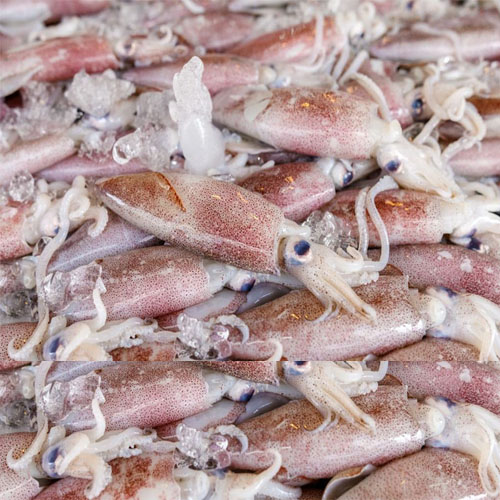
Frozen Squid
Squids are found in various oceans worldwide, more popularly known by their gourmet name “Calamari”. These days, calamari dishes such as batter-fried squid rings are becoming a regular feature in most restaurants. This delicious mollusc has been regularly included in rice and pasta dishes, soups, and other regional dishes.
Benefits Of Frozen Squid
The squid contains 13 grammes of protein in a 3-ounce serving. This encourages the body to retain energy
and muscle building. Squid is perfect for those who want to increase their protein consumption without
losing their low-calorie goals.
Since it has no carbohydrates, those carb-fearing protein aficionados, including those on a ketogenic
diet, should have squid included in their diet. Squid includes a significant dosage of vitamin E and
selenium. The Selenium, present in the body, combines with vitamin E to enhance the natural development
and fertility of the body.
As an anti-oxidant, it is considered to have a key role in treating cancer and can help protect and
control the growth of tumours. Antioxidants could also contribute to raising the proportion of white
blood cells missing from the chemotherapy process.
Many vitamins and minerals are present in squid, like vitamin B-12, phosphorous, iron, potassium, and
copper. These important nutrients strengthen the efficiency and stability of bones, blood cells, and
the immune system. One of the main minerals in squid is copper, which can resist and combat anaemia,
a fatal disease caused by the absence of blood cells.
Award Winning
Professional Staff
24/7 Support
Fair Prices
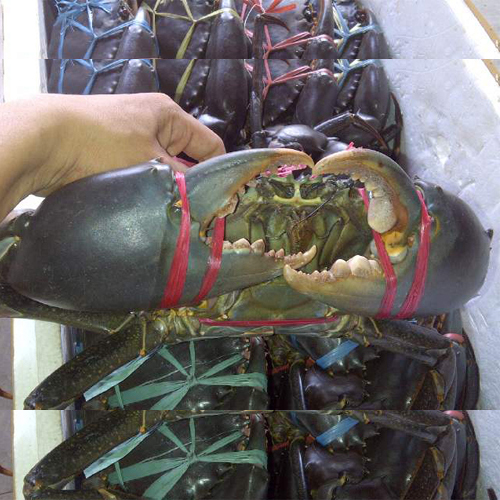
lIVE MUD CRAB
Klayar Product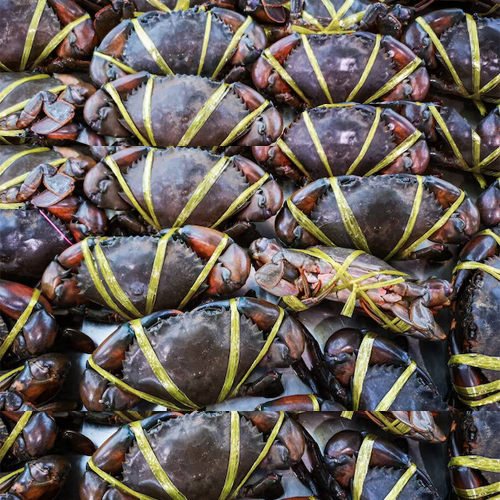
lIVE MUD CRAB
Klayar Product
lIVE MUD CRAB
Klayar Product
lIVE MUD CRAB
Klayar Product
lIVE MUD CRAB
Klayar Product